Flowers, What Was I Made For? and Midnights won different arguments
Record, Song and Album of the Year become easier to understand when you listen for a performance, a composition and a collection.
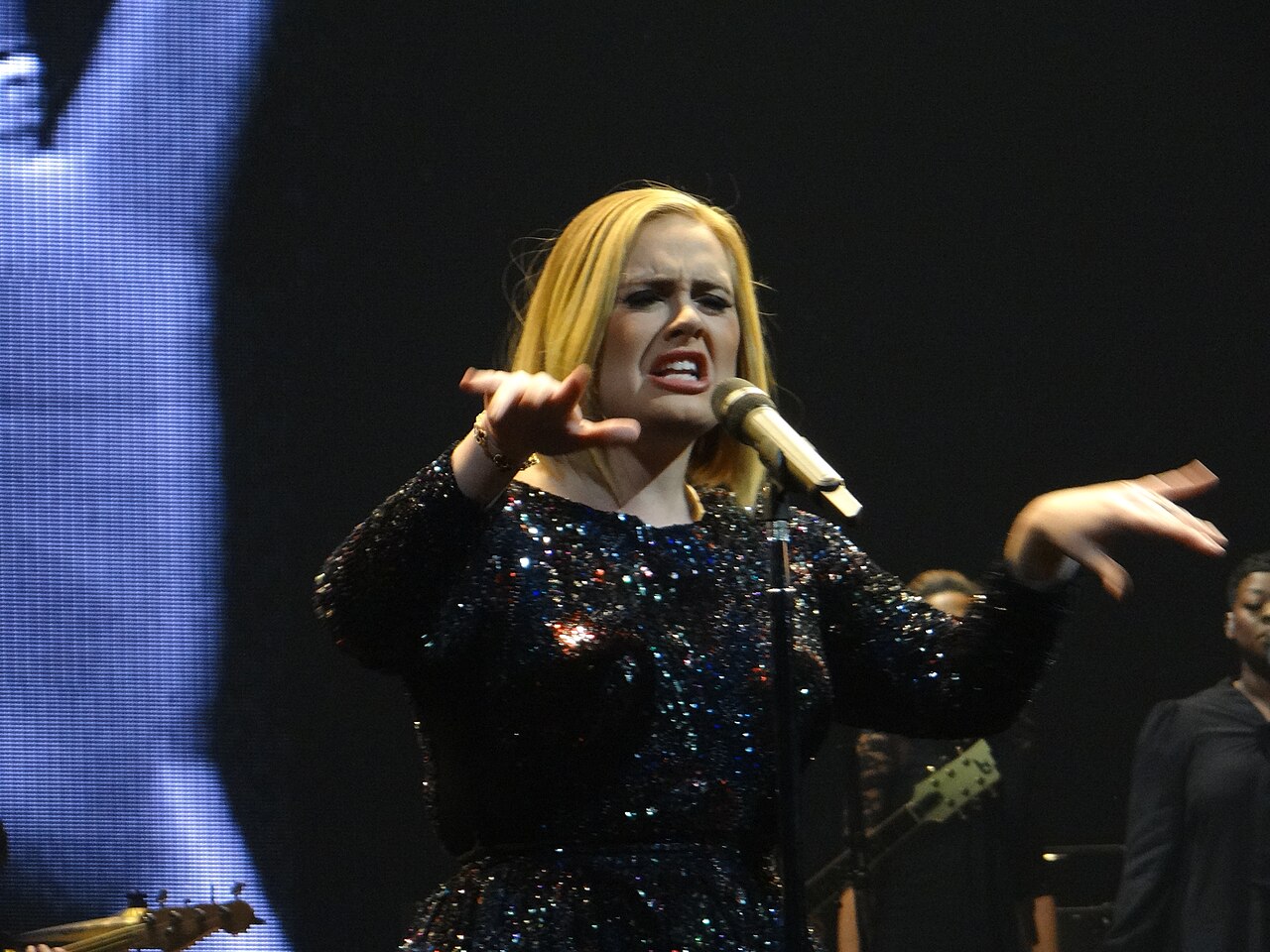
The small word live beside a familiar song title changes my expectations before the music starts. I expect a room, a risk, a response from other people. Those expectations can be useful, but I want the recording to earn them. My first question is which version I am actually hearing.
Adele's 21 won Album of the Year at the 2012 Grammys. “Set Fire to the Rain” won Best Pop Solo Performance in 2013 for its live version, identified in the Recording Academy's nominee-album information as the Royal Albert Hall recording. I take those separate recognitions as an invitation to compare achievements: how the phrasing, arrangement and sense of occasion change what the song offers a listener.
A song title alone may refer to a studio track, a concert recording, a broadcast performance or another released version. Bracketed labels and release credits often carry the information needed to distinguish them. Without that check, a comparison can accidentally place two edits of the same performance against one another or attach an award to the wrong recording.
The 2013 Grammy record explicitly marks Adele's winning performance as live. The Academy's accompanying nominee-album information identifies the Royal Albert Hall version. Those details make the historical example specific. They also prevent a reader from treating a later upload with a familiar title as automatically identical to the awarded release.
I make the comparison deliberately small: one named studio recording, one identified live recording, and the same passage in each. Before deciding which feels more immediate, I check the release details and keep the listening conditions reasonably consistent. That small preparation saves me from letting an upload label choose the winner. It also changes the task from defending live music or studio craft in general to following a few audible decisions. I want to know whether a line gains pressure, finds space or changes direction in this particular pair.
Once the versions are clear, the award can become background context rather than the conclusion. Listen first for the choices that distinguish them. The official result tells you which achievement was recognized, while the comparison helps explain what you value in it.
The same words and melody can feel different when a singer changes the placement of a phrase, the length of a pause or the emphasis on a particular syllable. A line that seems decisive in one version may sound tentative or newly defiant in another. These are concrete differences worth describing.
Choose a short passage that appears in both recordings. Listen for where the singer begins relative to the accompaniment, which words receive weight and how the phrase ends. Avoid turning every variation into a claim about the performer's private feelings. You can describe the effect without pretending to know the emotion experienced during the session.
A live setting may encourage a different relationship with the room, but the useful evidence is still in the recording. Does a pause create anticipation? Does the performer allow a response before continuing? Does a sustained phrase change the momentum of the next line?
The studio version deserves the same attention. Precision does not make a performance emotionally empty, just as an audible rough edge does not automatically make it profound. The comparison should concern expressive choices rather than a hierarchy in which one recording environment is presumed more honest.
An arrangement can give the same composition a different scale. A sparse setting may expose the relationship between melody and lyric; a fuller texture may create propulsion or collective release. Neither approach is inherently better. Ask what the surrounding music makes easier to hear and what it places in the background.
Compare the entrance and withdrawal of instruments or textures. Does one version begin with more space and build gradually? Does another establish its full energy early? A change in arrangement can alter the emotional trajectory even when the song's broad structure remains recognizable.
Notice the tradeoff between detail and force. Dense accompaniment can make a passage feel overwhelming while obscuring a small vocal gesture. A stripped arrangement can reveal that gesture but reduce the sense of scale. A good review explains which effect matters for this song.
Keep attribution tied to credits or documented production accounts. The finished sound can support an observation about an arrangement, but it does not always reveal who suggested a particular change. You can value the decision while remaining precise about what is known.
Applause, silence and collective response change the experience of a live release. They can mark an entrance, extend a pause or turn a familiar line into a shared moment. The audience becomes part of the recording's atmosphere even though it is not the same as the musical performance.
The crowd is where my first expectation gets a useful complication. I can value the feeling of a shared event and still want to hear a phrase the response partly covers. A louder room therefore does not automatically make the better version for me. I listen to the balance of detail and occasion: what does the audience sound add, and what does it make harder to hear? That tradeoff gives me a more honest preference than treating every burst of applause as proof that the performance has become more powerful.
Do not infer a complete production history from the presence of applause. A released recording is an artifact with credits and production choices. If a claim about editing, repairs or the source of crowd sound matters, it needs documentation. The word live alone cannot answer every technical question.
The useful middle ground is straightforward: appreciate the sense of occasion that the release creates, and describe the audible evidence. There is no need to prove that every sound arrived untouched from one microphone in order to discuss how the room shapes the listener's experience.
A concert release can organize a set of familiar songs into a new listening arc. Openings, transitions, changes of pace and closing choices affect how the collection feels. A favorite individual performance may not explain why the complete release works.
Follow the energy between tracks. Does the program allow a quieter passage to reset attention? Does a spoken introduction change the meaning of the next song? Does an extended ending prepare the transition or leave the next track starting from zero? The relationships are part of the album experience.
Compare that arc with a studio album's order when the material overlaps. The different sequence may emphasize another aspect of the artist's catalog or create a different emotional progression. It need not replace the studio collection to justify itself.
A useful album review therefore considers both the performances and the architecture of the release. Saying that every song is better live is a broad claim that requires much more than one thrilling moment. Explain where the live collection adds a relationship that the earlier release did not provide.
Choose one verse, one transition and the ending. Listen to each passage in both versions, leaving a short pause between them. Record a difference in phrasing, a difference in the surrounding sound and a difference in the overall effect. Keep the notes descriptive before deciding which you prefer.
Then listen to each complete version. A passage that wins an isolated comparison may work differently in the whole performance. The larger buildup can make a restrained moment powerful or a dramatic flourish feel excessive. Context matters inside recordings as much as it does inside films.
Use a table only to organize attention, not to produce a numerical winner. The categories are not equally important for every song. A vocal interpretation may matter more than scale, or the arrangement may be the element that makes one version distinctive.
Finish with a conditional preference: this version is more compelling when I want to hear the lyric closely; that version creates a stronger sense of collective momentum. A precise preference gives other listeners useful information without pretending that one recording must serve every purpose.
| Passage | Compare | Question |
|---|---|---|
| One verse | Phrasing and emphasis | What changes in the line's emotional position? |
| A transition | Arrangement and space | How is the next section prepared? |
| The ending | Duration and release | What does the final gesture leave unresolved? |
| The complete recording | Overall arc | Does the local effect fit the whole? |
The Adele example makes an awards distinction visible: a studio album and a later live performance can each receive recognition for different achievements. It does not require listeners to discard the earlier recording once another version wins.
I give up the demand for a permanent winner between the two settings. What I want is a preference I can explain at the level of this performance: perhaps the arrangement leaves more space around a line, or the pacing makes the ending feel earned. Those are listening possibilities to test against the recordings, not prizes that belong to live or studio by definition. Once I can name the choice that persuades me, I can recommend a version without asking the other to disappear. The comparison has made the song larger.
Keep the factual frame stable while allowing the interpretation to remain personal. Name the exact version, award and year; then explain the audible choice that persuaded you. The result is a recommendation another listener can test.
A live room can enlarge a song, expose it or redirect it. A studio can do those things through different means. Listening carefully to the differences is more rewarding than asking either setting to prove that it is the only place where a performance can be real.
Live is still an invitation when I see it beside the title. Now I follow that invitation to an exact recording and a particular musical choice. One line, one transition and one ending give me enough to begin. The room matters through what I can hear it make possible.
A: Set Fire to the Rain [Live] won Best Pop Solo Performance. Recording Academy nominee-album information identifies the Royal Albert Hall version.
A: Yes. The official 2012 Grammy results list Adele's 21 as Album of the Year.
A: The label alone cannot establish a complete production history. Use documented credits or reliable accounts for technical claims; describe what you can hear separately.
A: Identify the exact recordings, compare a few matching passages and then listen to each complete version so local details remain in context.
A: Yes. Different elements can succeed differently. Explain the tradeoff instead of forcing one overall preference to erase every strength of the other version.
Reference details checked Nov 10, 2026. Rules and guidance can change; follow the current source where applicable.
Something needs a correction? Let us know.
Record, Song and Album of the Year become easier to understand when you listen for a performance, a composition and a collection.
A guide to the entry, screening and voting stages—and the small wording changes that prevent a big misunderstanding.
Separate reach from repetition, understand FYC rules, and resist turning a busy feed into a private vote count.