How a second choice can change the Best Picture race
Green Book and Parasite show that Directing and Best Picture can split or align. A twenty-ballot calculation explains how lower preferences can matter.
“They changed it” is a tempting first sentence about an adaptation. I can feel the accusation gathering before I have said what the change does. The more useful question comes a moment later: which part of the source's dramatic work now happens somewhere else? That question makes room for disappointment, but it asks me to explain the loss rather than simply record a difference.
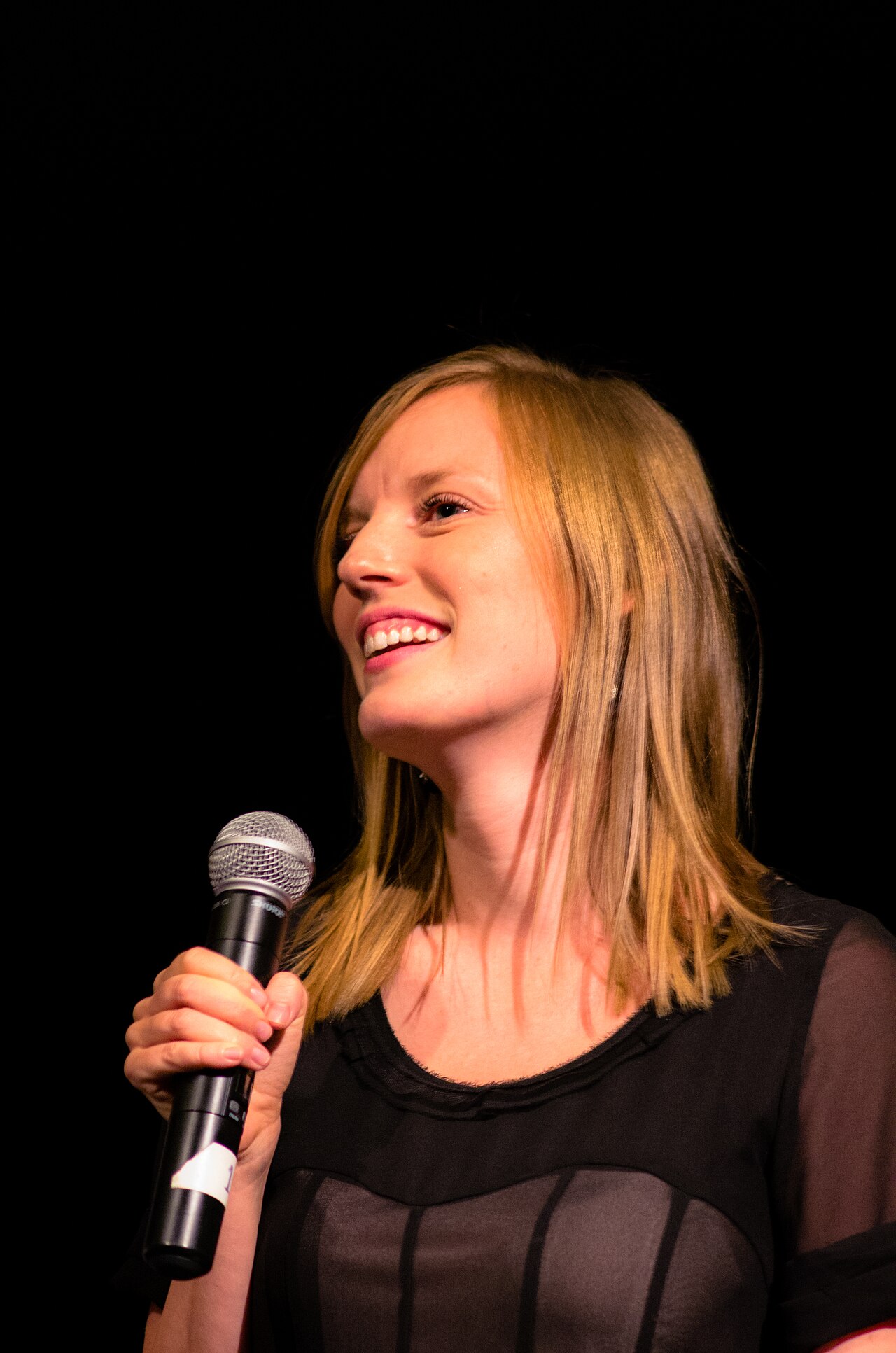
Sarah Polley won the 2023 Adapted Screenplay Oscar for Women Talking, which Film at Lincoln Center identifies as an adaptation of Miriam Toews's novel. I take that relationship as a starting point for criticism. A film has to make decisions audible, visible and immediate; copying the order of a book's events would not by itself tell me how well it succeeds.
Before comparing scenes, describe the central pressure of each work in one sentence. Who must decide something, what makes that decision difficult and what can be lost? The sentences may differ. That difference is worth examining because an adaptation can reorganize a source around a new center of attention.
For Women Talking, Film at Lincoln Center's presentation emphasizes a group of women confronting the aftermath of violence in an isolated religious community. That gives a reader a concrete dramatic frame without requiring an exhaustive plot summary. A comparison can then ask how a film organizes disagreement, collective responsibility and the movement toward a decision.
I want to give the remembered version of a story a fair hearing without making it the only possible version. So I put the accusation of change on hold and ask what pressure organizes the film in front of me. If a missing scene removes the only convincing reason for a decision, I have a concrete objection. If another relationship now supplies that reason, I need to evaluate the replacement. This is the turn that matters: I move from protecting an item in the source to examining the dramatic work that item once performed.
A novel can move through a character's thoughts with a degree of directness that a film may approach through voice, performance, framing or action. No single technique is the correct translation. Voice-over can preserve a reflective perspective; an observable choice can externalize a conflict; a reaction can let the audience infer what remains unspoken.
Choose one passage of interiority and ask what the film places in its stead. Does the viewer receive the information at the same moment? Is certainty replaced by ambiguity? Does another character become the route through which the thought is understood? The comparison concerns access to a mind, not simply whether the original sentence appears.
A film can also decide that some interior explanation should remain unavailable. That may make a character more mysterious or less legible. Judge the consequence with evidence from the surrounding scenes. An omission becomes a meaningful creative choice when its effect can be described, rather than merely defended as something films inevitably have to do.
Combining two encounters into one can save time, but it can also change how a relationship develops. A gradual shift may become an abrupt reversal; a repeated disappointment may become a single decisive event. The resulting scene may be more forceful while losing a sense of accumulation. Both gains and losses deserve attention.
Track cause and consequence around the compressed material. Does the later action still feel prepared? Does a character appear to change their mind without enough pressure? Has the film supplied a different piece of evidence elsewhere? A missing source scene may not be a missing dramatic function if another scene now performs that work.
This is why a checklist of omitted chapters is a weak review. The more useful task is to identify the function of the material and find what replaces it. Sometimes the replacement is elegant; sometimes a necessary connection has vanished. The judgment should explain that connection so readers can assess the argument even if they have not read the source.
Who gets to describe an event is part of the event's meaning. An adaptation can move attention toward a character who occupied less space in the source, show a scene that was previously reported or withhold information that a narrator originally supplied. Each choice changes what the audience knows and whose uncertainty it shares.
Notice the difference between access and endorsement. Spending more time with a character does not automatically ask the viewer to agree with them. It may expose contradictions, give their position texture or reveal the limits of their understanding. A strong comparison identifies the specific information added or removed rather than assuming that screen time is a moral ranking.
Then examine the effect on the ending. A decision can feel generous, evasive, tragic or unresolved depending on the perspective built before it. If an adaptation's ending lands differently from the source, the cause may lie far earlier in the distribution of attention. That is often a more revealing explanation than focusing only on the final changed scene.
The Academy's 2023 Adapted Screenplay lineup included Women Talking, All Quiet on the Western Front, Glass Onion: A Knives Out Mystery, Living and Top Gun: Maverick. The list itself is useful evidence that the category should not be reduced to one familiar relationship between a novel and a film.
For an official placement claim, use the Academy's record rather than guessing from a title or a film's resemblance to earlier work. The current Writing rules assign eligibility and category questions to the relevant Academy process. A reader can discuss a decision critically without treating a personal definition of adaptation as the official one.
The variety in that official lineup also makes me revise the comparison I bring to the category. A novel, a previous screen story and an established character leave different things for a new screenplay to solve. I cannot use a missing-page tally for all of them. I ask what the work inherits, what an audience must understand, and where this version creates its own pressure. That gives me a common critical question without pretending every adaptation has the same source relationship. The inherited material matters through the choices the new screenplay makes with it.
Choose three changes that affect different parts of the story: one involving information, one involving structure and one involving character. For each, describe the source's function, the film's choice and the consequence. This keeps the exercise from becoming a catalogue of minor discrepancies that never add up to a judgment.
Use precise verbs. The film delays a revelation, combines encounters, shifts a decision to another character or replaces explanation with an image. Then explain what the viewer gains or loses. A concrete consequence might concern suspense, clarity, emotional accumulation or ambiguity. Those terms become useful when attached to an observable alteration.
Finally, look for a pattern across the three changes. Does the adaptation consistently move toward immediacy, simplify competing perspectives or foreground collective rather than individual action? A pattern gives the review a thesis. It also leaves room for a mixed verdict: the same approach may strengthen one part of the story and weaken another.
| Change to examine | Source function | Screen consequence to test |
|---|---|---|
| A thought becomes an action | Direct access to a character's reasoning | Clarity, ambiguity or altered sympathy |
| Two encounters become one | Gradual development | Concentration versus lost accumulation |
| A revelation arrives later | Early context for behavior | Suspense versus confusion |
| A viewpoint shifts | Control of information | Whose uncertainty the audience shares |
When an authorized screenplay is available, it can help separate the written plan from the finished film. The comparison may reveal dialogue, scene order or descriptive choices that were transformed through performance and production. It does not automatically reveal why a change happened. A script and a finished scene are evidence of different stages.
Use the correct version when the distinction matters. A draft circulated during a campaign may not match every detail of the release. Identify what you are reading and avoid turning a discrepancy into an accusation. Filmmaking is a process in which writing continues to interact with other crafts.
The value for an awards reader is sharper attribution. You can discuss the credited screenplay's dramatic architecture while acknowledging the contribution of performance, direction and editing to the final experience. The writing award recognizes an achievement; close reading helps explain it without pretending that the film was created by one department acting alone.
A comparison should not make familiarity with the source a prerequisite for understanding the review. Give enough context to explain the function of a change, then describe its effect in the film. Readers who know the source can assess the comparison; readers who do not can still understand the critical claim.
Be explicit about spoilers. A discussion of altered endings may be valuable, but it serves a different purpose from a recommendation before viewing. Keep the central judgment available without revealing every structural turn. A review can invite close attention while allowing the first encounter with the story to remain an encounter.
My final test is whether the argument still makes sense to someone who has not read the source. If I can only say that a cherished passage is gone, I have described my attachment. If I can explain how its absence weakens a decision, or how a replacement creates a different emphasis, I have offered a claim about the film. That distinction gives the review a useful ending. I can disagree strongly with an adaptation while showing the reader the actual consequence that earns my disagreement.
I do not have to stop noticing that “they changed it.” I have to finish the thought. What did the original element accomplish, where does that work happen now, and what is gained or lost? Following those questions lets familiarity with the source become a sharper way of seeing the film.
A: Sarah Polley is the credited winner in the Academy's 2023 results. The film adapts Miriam Toews's novel, as documented by Film at Lincoln Center.
A: No. Ask what function an omitted scene performed and whether the film preserves, replaces or deliberately changes that function.
A: The official 2023 field included titles such as Glass Onion and Top Gun: Maverick alongside novel adaptations. Verify placement through the Academy rather than applying a narrow personal definition.
A: You can assess the film's clarity, structure and emotional effect. Claims about changes from the source require familiarity with the relevant source material.
A: Explain the consequence of each change and identify a pattern. A delayed revelation or combined encounter matters because of its effect on information, character or dramatic pressure.
Reference details checked Nov 10, 2026. Rules and guidance can change; follow the current source where applicable.
Something needs a correction? Let us know.
Green Book and Parasite show that Directing and Best Picture can split or align. A twenty-ballot calculation explains how lower preferences can matter.
What each milestone changes, how to read a promotional claim, and why a film remains worth watching after its campaign ends.
Dede Allen, Thelma Schoonmaker and a short viewing exercise offer a more useful way to notice rhythm, reactions and revelation.