How a second choice can change the Best Picture race
Green Book and Parasite show that Directing and Best Picture can split or align. A twenty-ballot calculation explains how lower preferences can matter.
Film & prediction notebooks
Mara’s editorial focus is the space between loving a film and understanding an awards ballot. Her articles follow voting systems, film craft and the assumptions behind a prediction.
FROM THIS BYLINE
Green Book and Parasite show that Directing and Best Picture can split or align. A twenty-ballot calculation explains how lower preferences can matter.
What each milestone changes, how to read a promotional claim, and why a film remains worth watching after its campaign ends.
Dede Allen, Thelma Schoonmaker and a short viewing exercise offer a more useful way to notice rhythm, reactions and revelation.
The 99th Oscars added a festival-award route. Here is what changed, what did not, and how to follow films beyond a nationality label.
CODA and The Power of the Dog show why a forecast needs more than the largest tally—and how to make an argument you can review honestly.
Ties, missing cases and weak baselines can change an awards statistic long before it becomes a useful prediction.
Ludwig Göransson's Oppenheimer score and Barbie's winning song show why a soundtrack is not a single awards category.
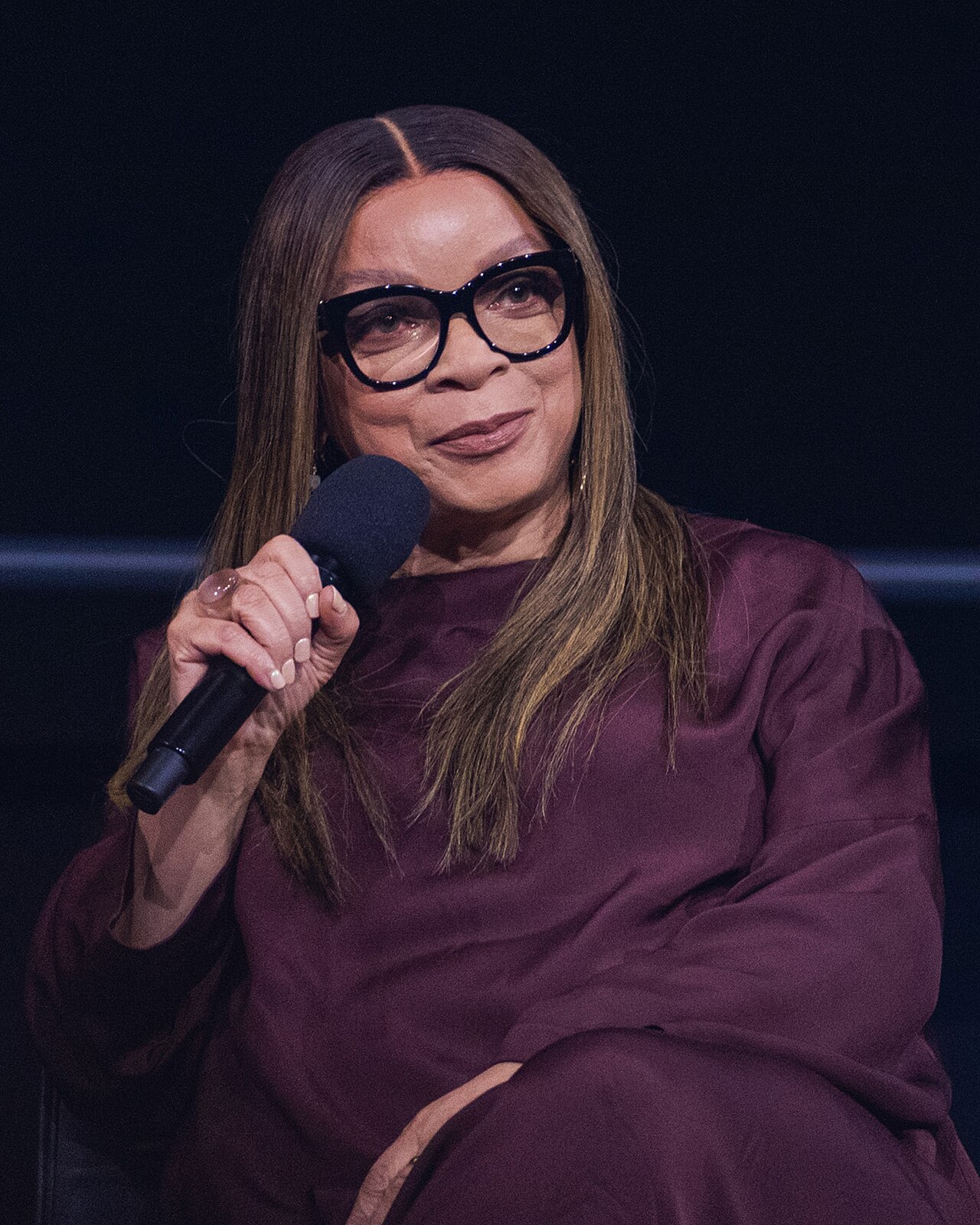
Ruth E. Carter's Black Panther work offers a way to read clothing as character, movement and social organization—not simply spectacle.
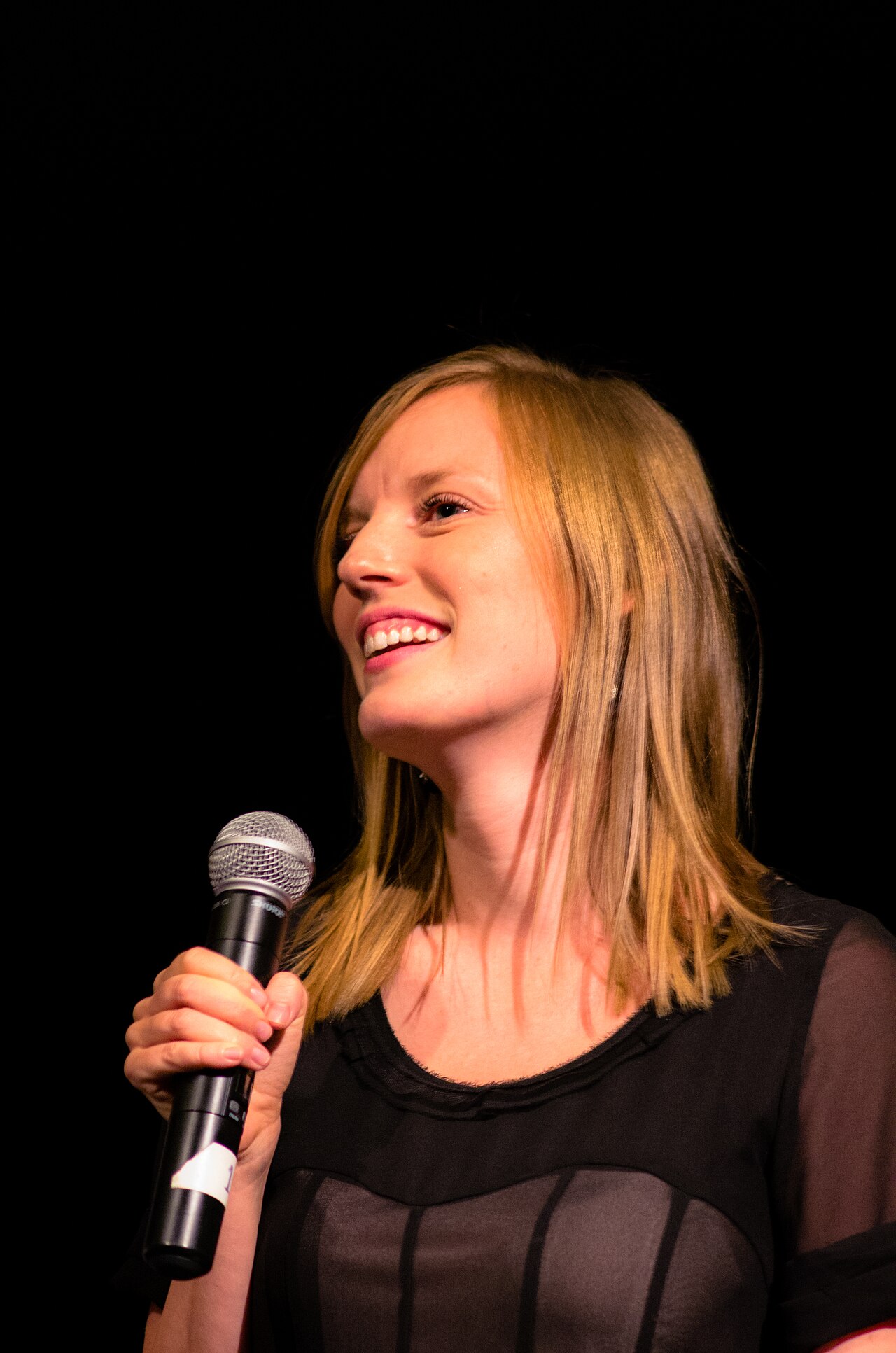
Sarah Polley's Women Talking and the 2023 adapted-screenplay field invite a better question than whether every scene survived the journey.
What awards writers mean by a lock is often unclear. A few small calculations make confidence, uncertainty and a correct result easier to separate.
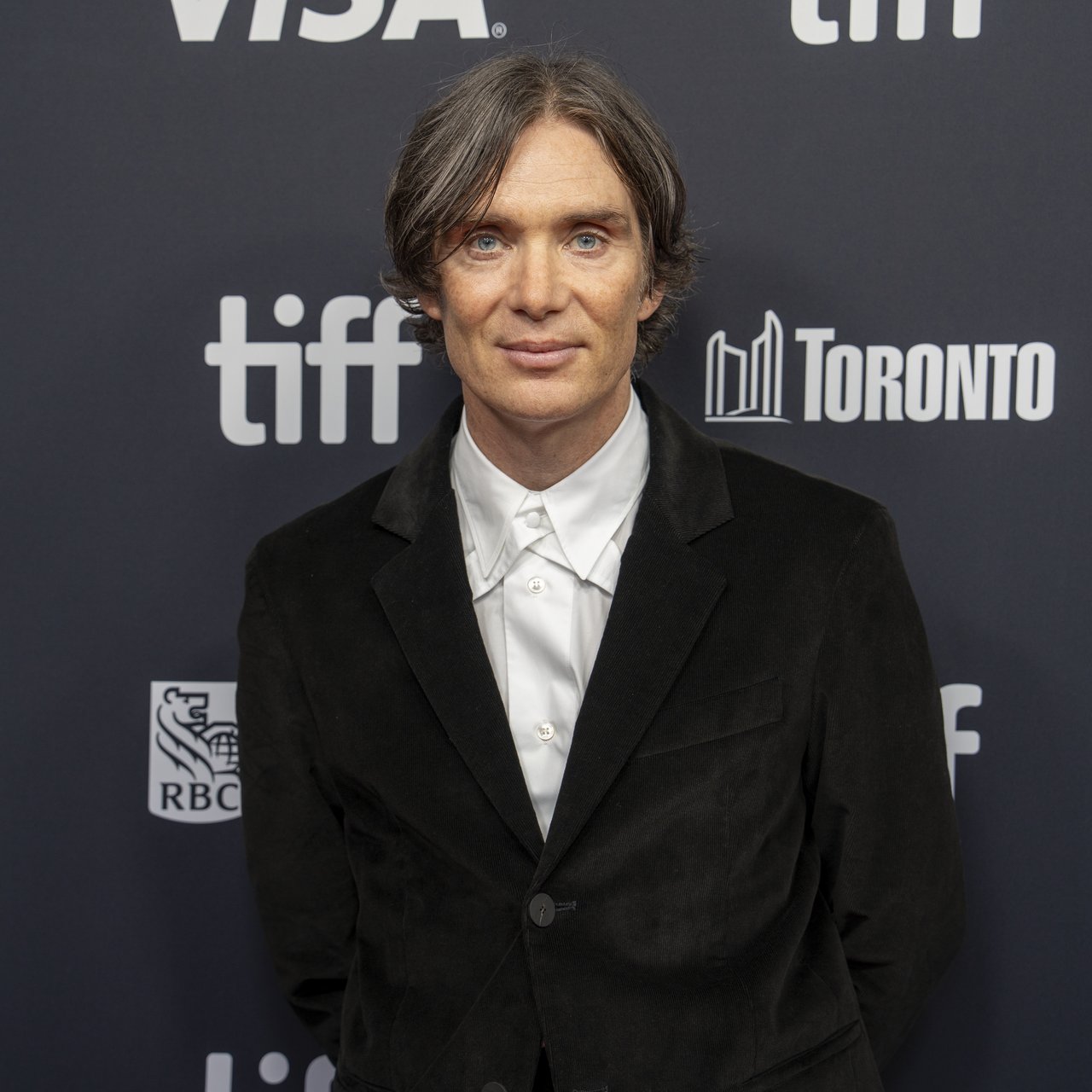
Cillian Murphy's 2024 wins provide the real-world starting point; a small overlap calculation shows what a pair of results can—and cannot—tell us.